
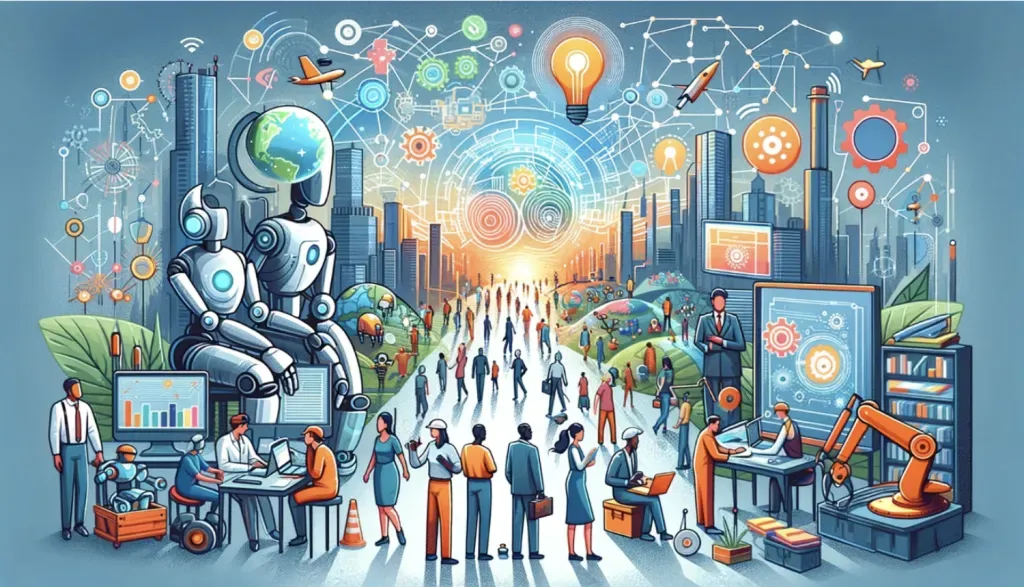
The future of work is reshaping how businesses plan, invest, and compete in a fast-changing global environment. Across industries, flexible work arrangements and digital collaboration are redefining talent pools, real estate strategy, and collaboration rhythms. The hybrid work model blends in-person collaboration with decentralized productivity, driving shifts in culture and governance that demand new skills and policies. Upskilling, retention, and fair incentives are increasingly central as organizations adapt to changing expectations and outcomes. This trend-aware lens helps managers, workers, and policymakers navigate change with confidence.
From a broader perspective, workforce transformation, an ongoing shift toward reskilling and expanded career pathways, continues to accelerate. This shift emphasizes leadership, data-driven decision making, and a culture of continuous learning across functions. Organizations that align incentives with outcomes, strengthen cybersecurity, and broaden access to development opportunities tend to perform best as conditions change. By focusing on outcomes and capability, they can sustain innovation while supporting employee well-being and inclusion.
Future of Work: Navigating Remote Work Trends and the Hybrid Work Model
Remote work trends have moved from pandemic-era exception to durable option for many functions and geographies. Early volatility gave way to a more deliberate, measured approach to remote capabilities. Organizations that invested in bandwidth, cybersecurity, digital collaboration tools, and clear remote-work policies began to see tangible benefits: broader access to talent, reduced real estate costs, and improved employee flexibility. Yet remote work trends are not a one-size-fits-all solution. It requires thoughtful governance, robust IT infrastructures, and culture that sustains belonging and accountability even when teammates are miles apart. In the best cases, remote work drives productivity by eliminating needless commute time, enabling focused deep work, and creating asynchronous processes that suit diverse time zones. In less successful outcomes, teams grapple with burnout, overwork, and misalignment around decision rights.
The hybrid work model is now a central pillar of modern people strategies. Unlike fully remote work, the hybrid approach blends in-person collaboration with remote productivity. Organizations experiment with schedules that balance office presence with flexibility, using models such as three days in the office and two days remote, rotating teams to optimize collaboration, or task-based in-office days aligned with critical workshops or client meetings. The hybrid work model demands new operating norms: intentional meeting design, robust asynchronous communication, and tools that preserve context across locations. Leaders who emphasize outcomes over activity metrics are more likely to sustain performance in hybrid environments. At the same time, hybrid work requires attention to culture-building, inclusion, and equal access to opportunities. If some employees primarily work remotely while others frequently interact in person, biases can creep into promotions and project assignments. The best-practice organizations invest in inclusive rituals, transparent decision-making processes, and metrics that reflect value delivered rather than seat time.
Labor Market Trends and Workforce Transformation: Preparing for Future Demand in 2025
The labor market is evolving quickly, with demand for digital, analytical, and adaptive skills continuing to outpace supply. Employers increasingly compete on learning opportunities, career progression, and meaningful work that aligns with personal purpose. Labor market trends also reflect demographic shifts, immigration policies, and regulatory changes that influence hiring practices and compensation. As automation and AI augment routine tasks, workers are redirected toward higher-value activities such as problem solving, creative collaboration, and customer experience design. This shift underscores the importance of workforce transformation initiatives that reskilled and upskill employees, enabling them to navigate more complex workflows and leverage new tools. For many organizations, the challenge lies in forecasting demand for expertise, investing in targeted training programs, and creating clear pathways from onboarding to mastery. This is where the future of work 2025 framework helps guide deliberate investments in talent and partnerships with educators and workforce organizations.
From a compensation and benefits perspective, the labor market’s evolution calls for more flexible approaches that support work-life balance and mental health. Companies that embrace flexible work arrangements, mental-health resources, and family-friendly policies tend to attract and retain talent more effectively, especially among younger workers who value purpose and inclusion. At the same time, demand in high-skill domains—such as software development, cybersecurity, data analytics, and customer success—puts a premium on structured upskilling programs, mentorship, and clear career ladders. Progressive organizations couple workforce transformation with ongoing people analytics, redesigned performance management, and continuous feedback to ensure equity, opportunity, and alignment with strategic goals, regardless of where employees work.
Frequently Asked Questions
How are remote work trends influencing the future of work and labor market trends?
Remote work trends broaden access to talent and can boost flexibility and productivity, but they require strong governance, cybersecurity, and clear remote-work policies. They shift labor market trends toward demand for digital, analytical, and collaboration skills, with emphasis on inclusive opportunities across time zones. Successful organizations measure outcomes rather than hours logged and foster trust and accountability across dispersed teams.
What strategies support workforce transformation within a hybrid work model heading toward future of work 2025?
Adopt a workforce transformation mindset by reskilling workers for higher-value tasks and creating clear paths from onboarding to mastery. Redefine performance to emphasize outcomes, milestones, and customer impact, not hours in the office. Design an inclusive hybrid work model with intentional meeting design, strong asynchronous communication, and robust cybersecurity and data governance. Support this with workforce planning, continuous learning partnerships, and transparent career paths to attract and retain talent as we move toward future of work 2025.
| Key Point | Summary |
|---|---|
| Remote work (durable option) | Moved from a pandemic-era exception to a durable option; broader access to talent; reduced real estate costs; improved employee flexibility; needs governance, cybersecurity, IT, and culture that sustains belonging; can boost productivity via reduced commuting and asynchronous work; risks include burnout and misalignment around decision rights; success when purpose-built and governed by clear outcomes rather than hours logged. |
| Hybrid work model as central pillar | Blends in-person collaboration with remote productivity; relies on varied schedules and models; requires intentional meeting design, asynchronous communication, and context preservation; leaders should emphasize outcomes over activity metrics; demands culture-building, inclusion, and equal access; potential biases in promotions; best practices include inclusive rituals and transparent decision-making. |
| Labor trends and skills demand | Demand for digital, analytical, and adaptive skills outpaces supply; competition on learning opportunities, career progression, and meaningful work; automation/AI shifts workers toward higher-value tasks; underscores need for reskilling and structured pathways from onboarding to mastery. |
| Leadership and performance management | Outcomes-based assessments, project milestones, and customer-centric metrics; requires HR policy updates, data analytics capabilities, and a culture of transparency and accountability; cybersecurity and data governance are essential; emphasizes trust and shared purpose; supports continuous feedback and cross-functional accountability. |
| Labor-market implications for compensation and benefits | Flexibility, mental health support, and family-friendly policies attract talent; younger workers prize work-life integration; shortages in high-demand domains heighten emphasis on professional development, mentorship, and upskilling; 2025 outlook includes deliberate investments in reskilling and partnerships to align curricula with evolving needs. |
| Organizational culture and employee experience | Culture that thrives across distances emphasizes psychological safety, clear communication norms, and social connection; inclusive routines and visibility into priorities; monitoring equity in promotions and pay; engagement boosts retention when well-executed; neglect leads to disengagement and skills stagnation. |
| Technology underpins remote and hybrid work | Cloud-based collaboration tools, AI-assisted productivity, and secure access enable distributed work; must be embedded in processes that foster collaboration and accountability; leadership should pair technology investments with talent development and workforce planning; ongoing emphasis on cybersecurity and data governance. |
| Sector differences and cross-industry applicability | Core principles apply across industries, but specifics vary; tech/knowledge sectors favor asynchronous collaboration and global teams; manufacturing/logistics emphasize hybrid on-site/remote planning for efficiency and safety; healthcare/finance face regulatory constraints on data handling and remote access; leadership must align remote, hybrid, and labor strategies with goals and customer expectations. |
| Workforce transformation as a strategic priority | Organizations invest in reskilling and continuous learning; partnerships with educators, employers, and workforce organizations to align curricula with evolving needs; transformation expands organizational capacity and resilience. |
Summary
The future of work is a dynamic ecosystem, shaped by the interplay of remote, hybrid, and labor dynamics. By focusing on outcomes, investing in people, and maintaining a culture of trust and accountability, organizations can turn flexibility into a competitive advantage. The journey won’t be without challenges—balancing flexibility with inclusion, safeguarding data and security, and ensuring equitable access to opportunities requires ongoing attention. Yet for those who embed workforce transformation into strategy, the rewards include stronger engagement, higher productivity, and a more resilient business capable of thriving in a rapidly changing world. As we move further into the era of remote work trends and hybrid work model innovations, the future of work remains a central narrative for business leaders, workers, and policymakers alike.


